
Modern and Traditional Kitchen Design: How to Blend Both Styles

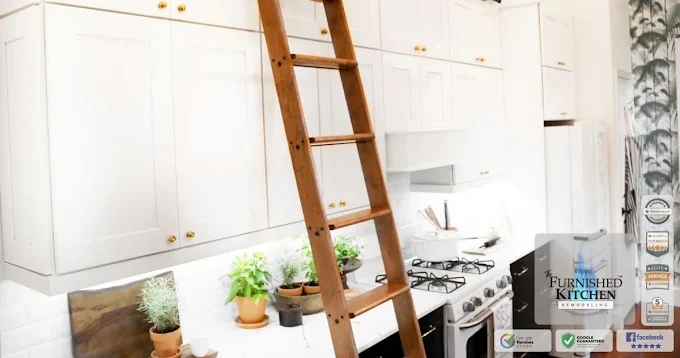
A modern and traditional kitchen gives homeowners the best of both worlds: the clean, updated feel of modern design and the warmth, character, and timelessness of traditional style. For many homeowners, the goal is not to create a kitchen that feels overly trendy or too formal. Instead, it is to design a space that feels fresh, functional, and connected to the rest of the home.
This blended approach is often called transitional design, and it is a natural fit for a modern and traditional kitchen. It works especially well for homeowners who want a kitchen that feels current today but will still look beautiful years from now. The Furnished Kitchen Remodeling™ focuses on both design and function, including how homeowners want to cook, how the refrigerator, stove or oven, cabinetry, and countertop work areas connect, and whether the desired style is modern, traditional, eclectic, or a mix.
Start With Function Before Style
Before choosing cabinet colors, tile, lighting, or hardware, it is important to think about how the kitchen will actually be used. A beautiful kitchen still needs to support everyday routines. Where do you prep meals? How often do you entertain? Do you need more countertop space, better storage, or a more open connection to nearby rooms?
A successful modern and traditional kitchen begins with flow. The layout should make it easy to move between the refrigerator, stove or oven, sink, and main prep area. This is especially important in remodels where the kitchen needs to work for cooking, gathering, hosting, and daily family life.
Once the function is clear, the style choices become easier. Instead of designing around trends alone, you can choose features that support the way you live.
Choose Timeless Foundation Pieces
The foundation of a modern and traditional kitchen should feel classic enough to last. Cabinets, countertops, flooring, and major fixtures are not items most homeowners want to replace every few years, so it is smart to choose materials and finishes with long-term appeal.
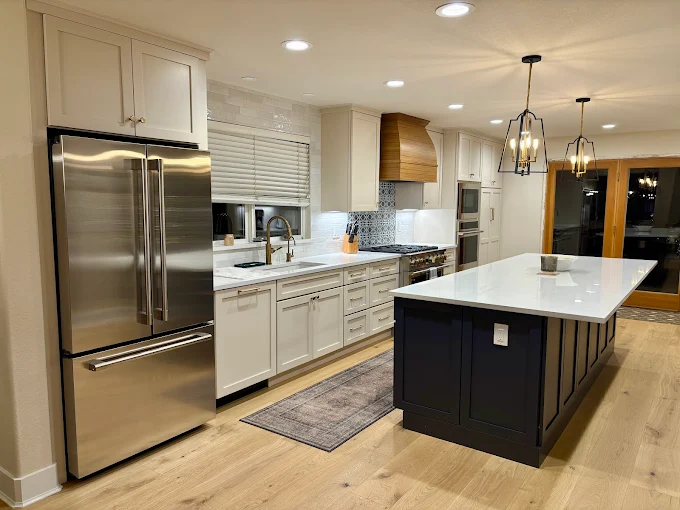
Shaker-style cabinets, natural wood tones, neutral countertops, classic tile patterns, and simple crown or trim details can all help create a traditional base. Then, modern elements can be layered in through lighting, hardware, clean-lined fixtures, or a more streamlined island design.
This balance keeps the area from feeling too stark or too ornate. The traditional details add warmth, while the modern details keep the room feeling updated.
Mix Materials With Purpose
Blending styles does not mean combining random finishes. A strong modern and traditional kitchen feels intentional. The materials should complement each other instead of competing for attention.
For example, you might pair warm wood cabinetry with a simple quartz countertop. Or you could use classic white cabinets with matte black hardware and modern pendant lights. A traditional tile backsplash can also work beautifully with sleek appliances or a clean-lined range hood.
A few thoughtful combinations include:
- Classic cabinet doors with modern hardware
- Warm wood tones with simple stone countertops
- Traditional backsplash patterns with contemporary lighting
- Neutral paint colors with bold but tasteful accents
The key is to create contrast without making the space feel disconnected.
Avoid Overly Trendy Choices
Trends can be fun, but they should be used carefully in a remodel. A modern and traditional kitchen works best when permanent features feel timeless and trendier details are easier to update later.
For example, bold cabinet colors, unusual tile shapes, or dramatic fixtures can make a statement, but they may not age as well as more classic choices. If you love a current trend, consider using it in smaller details such as bar stools, decor, wall color, or hardware.
This approach allows the kitchen to feel fresh without becoming dated too quickly.
Use Lighting to Tie the Room Together
Lighting plays a major role in blending modern and traditional design. In a modern and traditional kitchen, lighting can help define the mood while improving function.
Recessed lights can provide clean, modern general lighting. Pendant lights over an island can add personality and style. Under-cabinet lighting can make prep work easier while giving the space a polished finish. The right lighting plan brings warmth, comfort, and usability into the room.
Create a Space That Feels Like Home
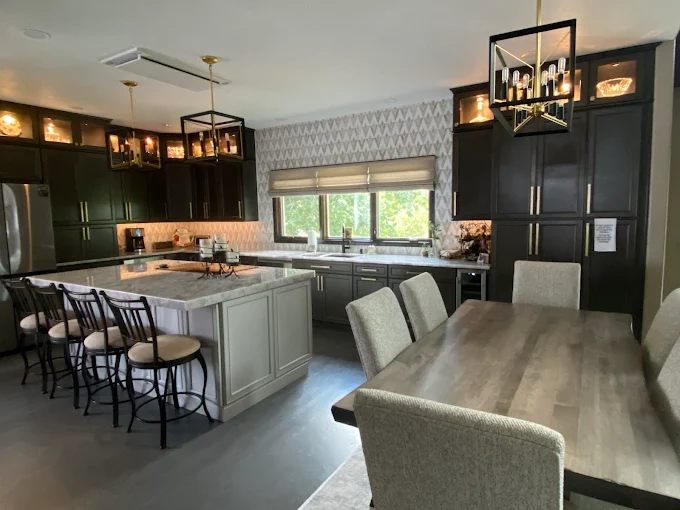
A modern and traditional kitchen should not feel like it was copied from a showroom. It should feel like it belongs in your home and supports the way you live every day. The best designs come from balancing flow, function, personal style, and long-term value.
With a thoughtful remodeling plan, homeowners can enjoy a kitchen that feels current without losing warmth or character. The Furnished Kitchen Remodeling™ helps homeowners think through both the practical and visual sides of the remodel, creating spaces that are beautiful, functional, and designed around real life.