
Granite vs Quartz Countertops: Which Is Better for Your Kitchen?


Choosing countertops is one of the most important decisions during a kitchen renovation. Your countertops influence the room’s appearance, functionality, and maintenance needs. When comparing granite vs quartz countertops, homeowners often wonder which material offers better durability, easier upkeep, and long-term value. Both are popular choices, but understanding their differences can help you select a surface that fits your lifestyle, design preferences, and budget.
Understanding Granite vs Quartz Countertops
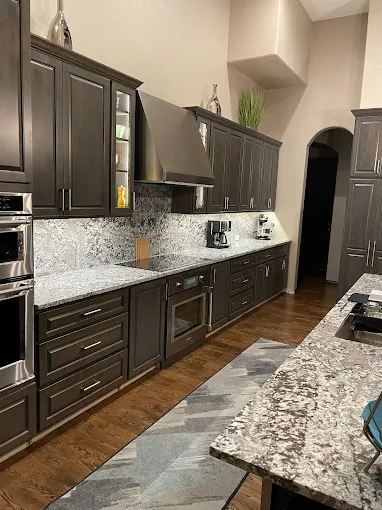
Although granite and quartz can look similar, they are made differently.
Granite is a natural stone quarried from the earth and cut into slabs. Each slab features unique colors, mineral patterns, and variations, giving every countertop a distinctive appearance.
Quartz countertops are engineered surfaces made from crushed natural quartz combined with resins and pigments. This manufacturing process creates consistent colors and patterns while producing a durable, nonporous surface.
Both materials offer attractive options for modern, traditional, and transitional kitchen designs.
Durability: Which Countertop Holds Up Better?
Durability is an important consideration when evaluating granite vs quartz countertops, especially in busy kitchens.
- Granite: A hard, durable natural stone that generally resists everyday scratches and wear. However, its edges can chip under heavy impact, and some varieties are more porous than others.
- Quartz: Highly durable and resistant to scratches, stains, and everyday wear. Its engineered composition provides consistent performance across the surface, although edges can still chip if struck forcefully.
Neither material is completely damage-proof. Using cutting boards and avoiding heavy impacts can help preserve both countertop types.
Maintenance and Cleaning Requirements
One of the biggest differences between granite vs quartz countertops involves maintenance.
Quartz is nonporous, meaning it doesn’t require sealing. Most everyday spills can be cleaned with mild soap, water, and a soft cloth.
Granite may benefit from sealing depending on the stone’s porosity and existing treatment. According to the Natural Stone Institute, many granite countertops do not require sealing, although certain surfaces gain additional stain resistance from it.
Regardless of material, wiping up spills promptly and avoiding harsh cleaning products can help maintain your countertops.
Heat Resistance
Kitchen countertops frequently encounter hot cookware, making heat resistance another important factor.
Granite generally handles heat better than engineered quartz because it is natural stone. However, sudden temperature changes may still cause damage, so trivets are recommended.
Quartz contains resin binders that can be damaged by excessive heat. Placing hot pans, slow cookers, or other heated appliances directly on the surface may cause discoloration or damage.
For households that cook frequently, understanding these limitations can help prevent unnecessary countertop damage.
Appearance and Kitchen Design Options
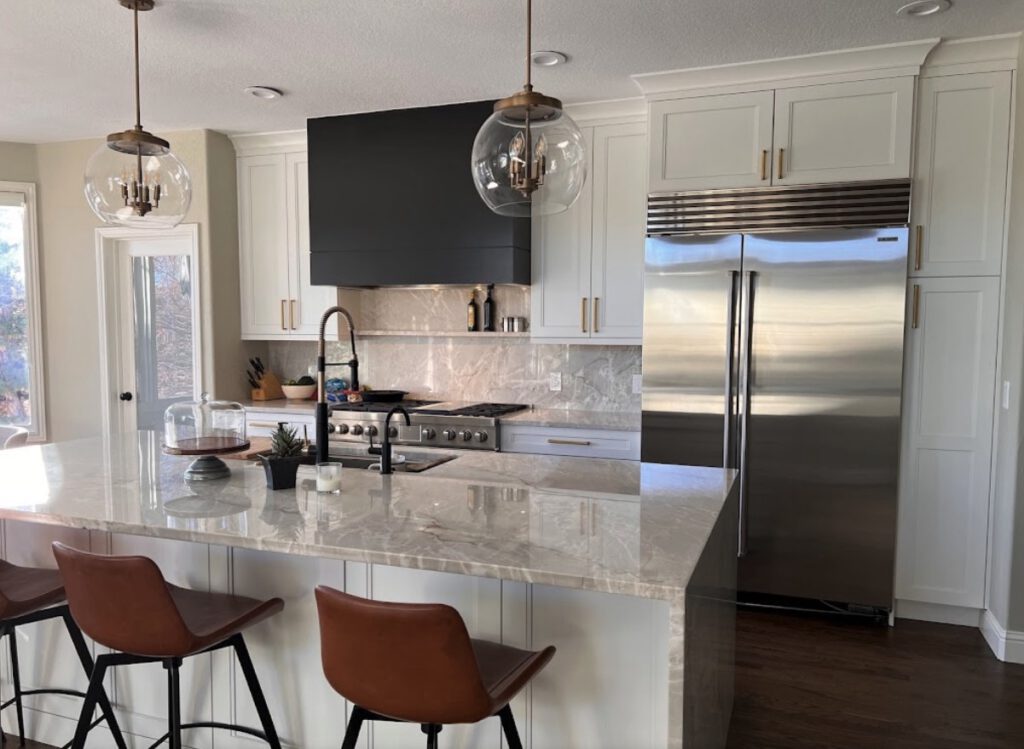
When considering granite vs quartz countertops, appearance often comes down to personal preference. Here are three design factors to consider:
- Natural patterns: Granite offers natural movement, mineral deposits, and unique patterns that make each slab different.
- Color consistency: Quartz provides a broad selection of consistent patterns, including marble-inspired veining, subtle neutrals, and contemporary finishes.
- Overall coordination: Consider how each material complements your cabinets, backsplash, flooring, and lighting before making a decision.
Granite often complements kitchens featuring natural wood cabinetry, while quartz works well in contemporary spaces. However, both materials can suit a variety of design styles.
Which Countertop Is Right for Your Budget?
Both materials are available at different price points, with costs influenced by slab quality, color, thickness, edge profiles, and installation requirements.
When comparing granite vs quartz countertops, request estimates for your preferred materials rather than assuming one is always more affordable.
Remember to consider long-term maintenance alongside the initial installation cost.
Choosing Countertops for Your Kitchen Remodel
Ultimately, choosing between granite vs quartz countertops depends on your priorities. Granite offers natural character and excellent heat resistance, while quartz provides consistent designs and low-maintenance convenience.
At The Furnished Kitchen Remodeling, we offer kitchen renovations ranging from partial updates to comprehensive remodels. Whether you’re replacing countertops or planning a complete kitchen transformation, our team can help you create a functional, attractive space that reflects your needs.
Contact us to discuss your kitchen remodeling project.